

What’s Causing My Elbow and Wrist Pain — And How Can Physical Therapy Help?
Remember the last time you accidentally slammed your funny bone? That sharp, radiating pain is deeply unpleasant — fortunately, it usually only lasts a few moments. But what happens when that pain lingers? If you’re dealing with pain in your elbow, forearm, or wrist, Rebound Physical Therapy is here to help!
Wrist and elbow pain can have several potential causes. Three major nerves run through the arm and can become entrapped, leading to numbness, tingling, and pain. You can also injure the muscles, tendons, or ligaments in the elbow and wrist joints, which can cause mobility restrictions and pain in the impacted area.
Our team of physical therapists will help you get to the bottom of your elbow pain — and we’ll help you find a way to resolve that pain for good. Call us to schedule an appointment and get started today!

A Closer Look at the Causes of Wrist and Elbow Pain
When you come in for your appointment, the first thing we’ll do is carefully review your symptoms and run a few simple movement screens to help pinpoint the cause of your pain.
Overuse injuries are one of the more common causes of wrist and elbow pain. You’ve probably heard of conditions such as tennis elbow or golfer’s elbow — both are examples of overuse injuries. They stem from repetitive movements or awkward postures that strain the joint’s soft tissue, leading to a gradual onset of symptoms.
You can also suffer acute injuries, particularly in the wrist. These injuries happen suddenly rather than over time. Wrist sprains, in which the ligaments in the wrist suffer damage, are among the most common. You can also fracture the bones in your wrist and elbow, which will typically require medical intervention.
Nerve disorders are another common source of discomfort in the elbow, forearm, and wrist. They occur when one of the nerves running through the arm becomes entrapped, leading to pain, numbness or tingling, and mobility restrictions. The location of your symptoms can let you know which nerve is affected:
- Carpal tunnel syndrome affects the median nerve and can become trapped in a structure in your wrist (the carpal tunnel). You’ll typically experience symptoms in your wrist and hand.
- Cubital tunnel syndrome affects the ulnar nerve, which passes through a narrow structure in your elbow (the cubital tunnel). If the nerve becomes entrapped in the cubital tunnel, it can cause symptoms in your elbow and hand.
Finally, arthritis can affect your elbows and wrists, leading to pain and restricted range of motion.
What Physical Therapy Can Do to Help Ease Your Wrist and Elbow Pain
Once our therapist has determined the source of your pain, we’ll develop a customized treatment program to help you find relief. The good news is that physical therapy alone can resolve most common sources of wrist and elbow pain.
Here are a few of the techniques we might incorporate into your program:

Manual Therapy
Manual therapy techniques help reduce pain and restore mobility restrictions. We might guide the joint through its current range of motion, manipulate your soft tissue, or try other techniques.
Therapeutic Exercises
We’ll create a targeted, progressive exercise program to ease your symptoms. We’ll start with gentle stretches and mobility work, then move on to strengthening exercises to help support and stabilize the impacted joint.
Braces and Splints
Some conditions might benefit from a brace or splint, which temporarily immobilizes the joint as you work on treatment. We’ll let you know if it’s a good choice and help you find the right device to suit your needs.
Injury Prevention
We’ll let you know what you can do to prevent future injuries. We might show you ergonomic adjustments to reduce the impact of repetitive movements, postural corrections to minimize strain on your wrist or elbow, or other strategies.
Let’s Get to the Root of Your Wrist or Elbow Pain!
Pain in the wrist or elbow can seriously impact your quality of life, making it difficult to perform day-to-day movements like brushing your teeth, typing on a computer, or preparing a meal. The team at Rebound Physical Therapy will help you get to the bottom of your pain to find lasting relief.
Call us to schedule your initial appointment today!

How to Avoid An Overuse Injury This Summer
Whether you’re hiking the trails, swimming in the pool, or enjoying a day at an amusement park, it’s easy to be active in the summertime. However, doing too much too soon can lead to overuse injuries.
Most people think of injuries as sudden events, but the reality is that most injuries develop over time due to repeated stress that doesn’t give affected tissue time to recover. Unfortunately, it’s not uncommon for increased activity during summer to lead to an overuse injury–but a few simple tips from the Rebound Physical Therapy team can keep you moving all season long.
Five Ways to Reduce Your Risk Of Overuse Injuries
Give your body time to adapt to new activities by avoiding sudden jumps in intensity or duration.
Spend 5-10 minutes performing light movement and dynamic stretches before sports or recreational activities. Yes, even if you’re on vacation!
Rest days give your muscles and tendons the time they need to rebuild, adapt, and grow stronger after the physical stress of activity.
Exercises that improve strength and mobility help support healthy movement and reduce strain during activity.
Don’t ignore signs like persistent discomfort, swelling, or pain during activity. Addressing symptoms early can help prevent a minor issue from becoming a more serious injury.
ASTYM Therapy
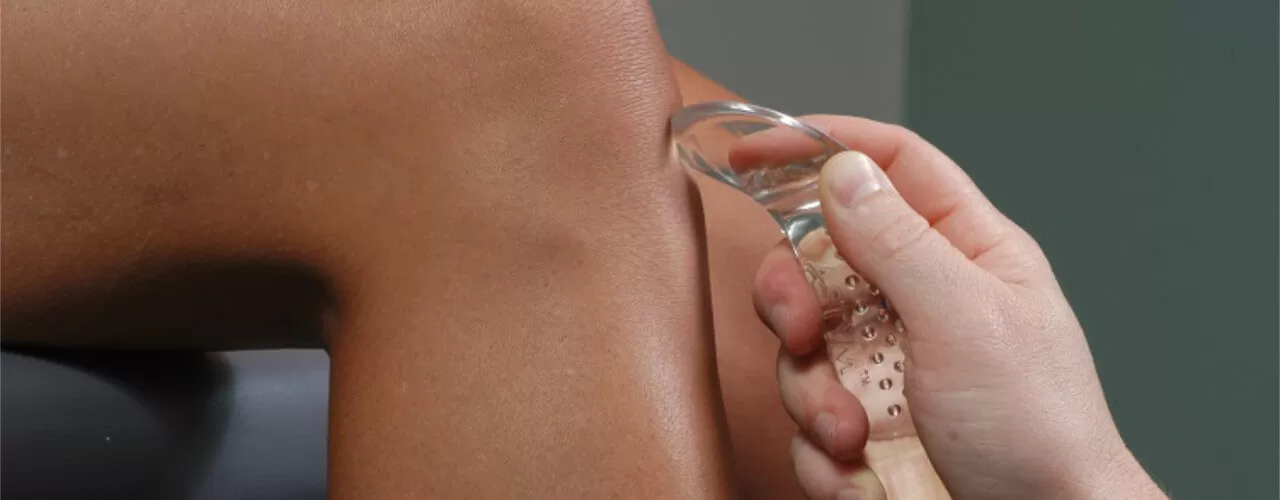
ASTYM® treatment is the regenerative medicine of therapy and is designed to restore soft tissues at a cellular level. It regenerates healthy soft tissues (muscles, tendons, etc.), and removes unwanted scar tissue that may be causing pain or movement restrictions. ASTYM® therapy has helped countless people by restoring their movement, getting rid of their pain, and giving them back their lives. ASTYM® therapy works quickly: A typical course of treatment lasts only four to six weeks (8-10 visits).
Dumbbell Front Raise
Build shoulder strength and stability with this simple movement that targets the front of the shoulders while improving upper-body control.
How To Perform
Stand tall with a dumbbell in each hand, arms resting in front of your thighs and palms facing your body. Keeping your arms straight but not locked, slowly raise both arms in front of you until they reach shoulder height. Pause briefly at the top, then lower the weights back down with control. Focus on smooth movement and avoid using momentum.
Nerve Glides: Simple Exercises to Ease Nerve Discomfort
If your elbow, wrist, or hand pain stems from a nerve disorder (like carpal tunnel or cubital tunnel syndromes), you might benefit from nerve glide exercises. These simple mobilization techniques stretch the nerves and encourage them to follow the natural movement of your joint.Your arm contains three major nerves, and the Rebound Physical Therapy physical therapists have a nerve mobilization exercise for each. Try them out at home–but stop if you feel any pain. And if you want to learn more about nerve gliding exercises, schedule an appointment with us today!
Median Nerve Glide
- Stand up straight and place one arm by your side, the palm facing up. Slowly bend your wrist back so your fingers move toward the floor, and you feel a stretch in the front of your wrist and palm.
- Next, tilt your head away from your arm. Imagine your arm, neck, and head forming a diagonal line.
- Hold for a few seconds before returning to the starting position and repeating on the other side.
Ulnar Nerve Glide
- Stand up straight and hold your arm so that it forms a 90-degree angle with your palm turned away from your body. Turn your head to look at the back of your hand.
- Next, bend your wrist so your fingers point toward your face. Then, slowly move your hand and head so that you can touch your palm to the side of your face.
- Repeat the movement a few times, then move to the other side.
Radial Nerve Glide
- Stand straight with your arm at your side, palm facing to the back. Bend your wrist so your palm faces the ceiling.
- Holding your hand in that position with your arm straight, raise the arm until you feel a pull in your arm. How high you can go will vary from person to person.
- Tilt your head away from your arm, then toward your arm, moving slowly.
- Repeat a few times, then move to the other side.

One-Pan Garlic Herb Chicken & Roasted Vegetables
This simple one-pan meal combines lean protein, colorful vegetables, and savory garlic herb seasoning for a nutritious dinner that’s perfect for busy weeknights and healthy meal prep.
Ingredients
- 4 boneless, skinless chicken breasts
- 2 cups broccoli florets
- 2 cups baby potatoes, halved
- 1 red bell pepper, chopped
- 1 zucchini, sliced
- 3 tablespoons olive oil
- 3 cloves garlic, minced
- 1 teaspoon dried oregano
- 1 teaspoon dried thyme
- Salt and pepper to taste
Directions
- Preheat oven to 400°F and line a large baking sheet with parchment paper.
- In a large bowl, combine olive oil, garlic, oregano, thyme, salt, and pepper.
- Add chicken and vegetables to the bowl and toss until evenly coated.
- Arrange everything in a single layer on the prepared baking sheet.
- Roast for 25–30 minutes, or until the chicken reaches an internal temperature of 165°F and the vegetables are tender.
- Serve immediately or portion into containers for easy meal prep throughout the week.
Skip the Referral. Start Healing Today.
You don’t need a doctor’s referral to start feeling better. With Direct Access in Idaho, you can begin physical therapy at Rebound right away—saving time, reducing pain, and getting back to the activities you love faster. Our expert team will evaluate your condition, create a personalized treatment plan, and guide you every step of the way.
Schedule your appointment today and take the first step toward recovery.