
Health Blog
When Is It Actually Safe to Return to Your Sport After a Back Injury?

Being away from the sport you love because of back pain can be frustrating. Many athletes want to know exactly when they can get back to playing. While it is tempting to use a date on the calendar, recovery is about more than time. A safe return depends on how well your body moves and handles the demands of your sport.
Our physical therapists look at your strength, movement, and overall function before helping you return to play.
Read full blogThe Causes of the Pain Between Your Shoulder Blades
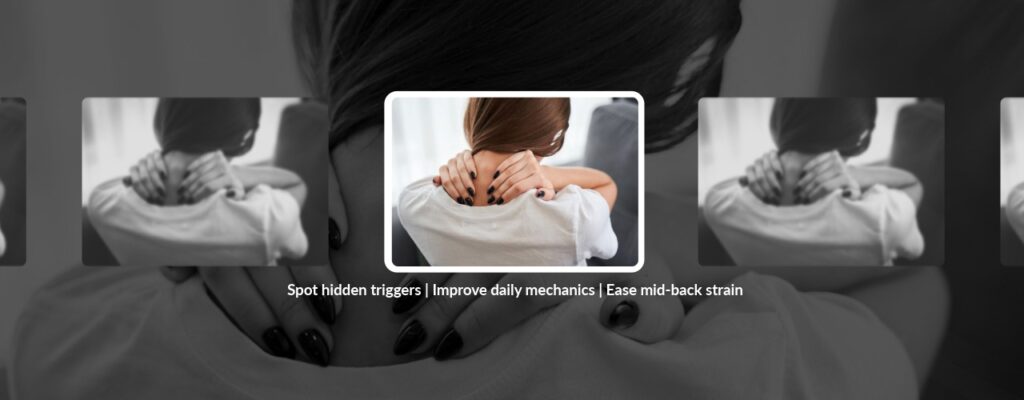
That persistent ache between the shoulder blades is something a lot of adults learn to work around. It shows up during long drives, long meetings, and long days at a screen. Shoulder blade pain causes are more specific than most people realize, and understanding what is actually driving the discomfort is what separates a plan that works from one that only helps temporarily.
Who Tends to Notice This First
This type of pain does not discriminate by job or activity level.
Read full blogChronic Pain After Sports Injuries: Causes and Solutions

Recovering from a sports injury isn’t always straightforward. While many athletes do heal and get back in the game with limited issues, some experience lingering pain that lasts long after the initial injury. Unfortunately, chronic pain after sports injuries can dramatically interfere with performance, mobility, and quality of life.
Chronic pain isn’t like the typical pain you experience with an injury, which will fade as your injury heals. Instead, chronic pain lasts beyond the expected healing time–typically three months or longer.
Read full blogPost-Surgical Inflammation: How Physical Therapy Can Help
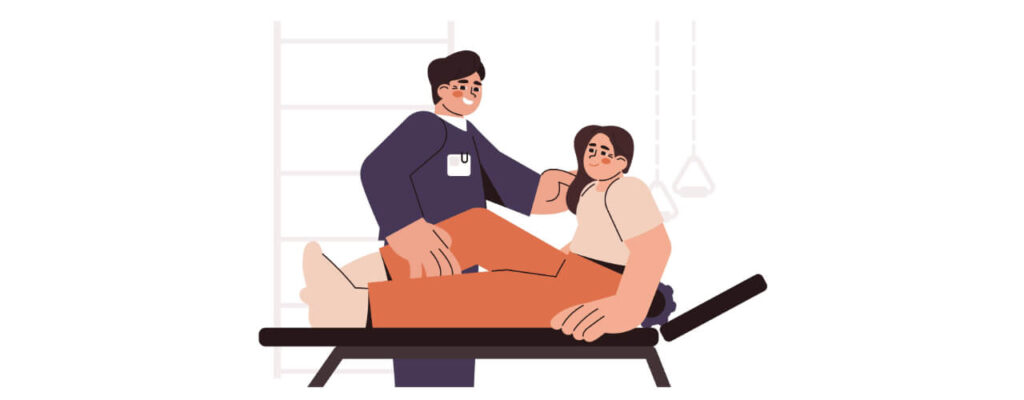
After surgery, swelling and stiffness are expected, but that doesn’t mean they should be ignored. Some inflammation is part of the body’s natural healing response, but too much can slow recovery and cause discomfort. While post-surgical inflammation may not be preventable, it is manageable. Physical therapy at plays a key role in reducing swelling, promoting mobility, and ensuring a smooth recovery process.
If you’re wondering how to manage post-surgical inflammation, you’re not alone—this is one of the most common concerns for patients recovering from surgery.
Read full blogThe Link Between Arthritis and Shoulder Pain in Elderly Patients

Shoulder pain is a common complaint among older adults, often leading to difficulty with everyday tasks like reaching for a shelf, getting dressed, or even sleeping comfortably. One of the leading causes of this discomfort is shoulder pain and arthritis, a condition that leads to joint stiffness, inflammation, and progressive loss of mobility.
Many patients wonder if their symptoms are due to arthritis, what treatment options are available, and whether they can avoid surgery.
Read full blogHow Poor Sleep Increases the Risk of Sports Injuries

Most athletes focus on training, nutrition, and recovery techniques to stay in peak condition. But one major factor often gets overlooked—sleep. While it may not seem as important as stretching or hydration, research shows a strong connection between sleep and sports injury risk.
A lack of sleep doesn’t just make you feel tired—it slows reaction times, weakens muscles, and increases the likelihood of injury. If you’ve been dealing with soreness that won’t go away or nagging injuries that keep coming back, your sleep habits could be the missing link.
Read full blogUnderstanding the Root Causes of Back Pain and How to Find Relief

If you’ve ever struggled with back pain, you’re not alone. It’s one of the most common reasons people miss work or seek medical care. But why does it happen in the first place? Some assume resting is the best way to recover, but too much inactivity can actually make back pain worse. Others believe that pain medications are the only solution for back pain relief, but they don’t address the root cause of the problem.
Read full blogPost-Op Pain Management: What Are Your Options Beyond Medication?

After surgery, pain management is a top concern for many patients. While medications are often prescribed, they’re not the only option for relief. Post-op pain management at will include a combination of strategies to help you recover comfortably without unnecessary reliance on medication. A well-rounded approach can help reduce discomfort, improve mobility, and speed up healing—all while minimizing risks associated with medication overuse.
Why Does Pain Occur After Surgery?
Pain after surgery is a natural part of healing, caused by inflammation, swelling, and tissue repair.
Read full blogChronic Knee Pain: What Are the Most Common Causes?

Knee pain can turn everyday activities—like walking, climbing stairs, or even standing for long periods—into a challenge. What starts as mild discomfort can gradually worsen, limiting mobility and affecting overall quality of life. Many people assume knee pain is an unavoidable part of aging, but that’s not entirely true. Chronic knee pain causes vary, and identifying the root issue is the first step toward effective relief. There are ways our physical therapists manage symptoms and restore function, whether due to wear and tear, inflammation, or past injuries.
Read full blogSigns You Might Have a Rotator Cuff Tear and What to Do Next

A sore shoulder after a workout or a long day isn’t unusual. But what if the pain doesn’t go away? Rotator cuff tears don’t always happen in a single moment. Sometimes, the damage builds gradually, starting with mild soreness that turns into persistent pain and weakness. Ignoring rotator cuff tear symptoms can lead to bigger issues, but physical therapy at can help identify and treat them before they get worse.


