
Health Blog
Healing Timeline After Surgery: How Physical Therapy Can Aid Your Recovery

Recovering from surgery is a process that takes time, patience, and the right care. Understanding the healing timeline after surgery can help you set realistic expectations and take the necessary steps to regain strength and mobility.
Working with the team at is one of the most effective ways to support your recovery. Our structured rehabilitation plan can help reduce pain, improve movement, and prevent complications.
Curious to learn more about the healing timeline after surgery?
Read full blogPain Management Strategies for Sports Injuries

Sports injuries can sideline athletes of all levels, and full rehabilitation is essential to getting back in the game. Effective pain management strategies are key in seeing you through that rehabilitation, especially in the early stages.
Effectively managing your pain after a sports injury makes it easier for you to work through the prescribed strength and mobility exercises that will help you rebuild the function necessary to return to your chosen sport.
Read full blogExploring Non-Surgical Treatment Options for Knee Pain

When knee pain becomes persistent, many people assume that surgery is their only path to relief. It’s a common belief—after all, we often hear about athletes and older adults getting knee replacements or undergoing procedures for torn cartilage. But the truth is, most knee conditions can be treated without surgery. In fact, knee pain treatment options range from physical therapy to lifestyle adjustments, and these strategies often provide long-term relief without the risks of invasive procedures.
Read full blogChronic Knee Pain: How Physical Therapy Provides Long-Term Relief

Knee pain can start as a mild ache after a long day, but when it lingers for weeks or months, it becomes a real obstacle to daily life. Walking, climbing stairs, or even getting out of bed in the morning can feel like a challenge. Often, people ignore their symptoms or rely on quick fixes they read on the internet, hoping the pain will go away on its own. But chronic knee pain relief requires more—it requires addressing the root cause.
Read full blogCommon Risks Associated with a Shoulder Dislocation: How to Prevent Them

Most people assume shoulder dislocations only happen in high-impact sports, but that’s not the case. While athletes are at risk, so are weekend warriors, active adults, and even those with previous shoulder injuries. A dislocated shoulder isn’t just painful—it can weaken the joint, making future dislocations more likely. Understanding shoulder dislocation risks and how protecting your joint can help prevent long-term issues.
Understanding Shoulder Dislocation Risks: Common Questions Answered
What Activities Put Me at Risk for a Shoulder Dislocation?
Read full blogSubtle Warning Signs of a Serious Sports Injury

Every athlete experiences aches and pains, but how do you know when discomfort is more than just soreness? Many people assume mild pain is normal and push through, believing it will go away with time. However, ignoring sports injury warning signs can lead to serious, long-term damage.
Alyssa (not her real name), a college soccer player, learned this the hard way. What started as a small discomfort turned into an injury that threatened her ability to play the sport she loved.
Read full blogWhy Sitting Can Cause Hip Pain: What to Know About Prolonged Sitting

Sitting for long periods is a normal part of daily life, whether at work, during long commutes, or while relaxing at home. However, many people experience discomfort or stiffness after extended sitting, often wondering what’s causing it and how to relieve it. Hip pain and sitting are closely linked because prolonged sitting tightens hip flexor muscles, weakens glutes, and reduces circulation, leading to joint stiffness and discomfort. Understanding the reasons behind this pain can help prevent long-term mobility issues and improve daily comfort.
Read full blogChronic Pain After Surgery: Causes, Risks, and What You Can Do

Recovering from surgery is different for everyone. While some people heal quickly, others may experience ongoing discomfort. If you’re struggling with chronic pain after surgery, understanding why it happens and what you can do about it can make a big difference in your overall quality of life.
You also don’t have to manage chronic pain alone. At , our team can help you understand your condition and find lasting relief.
What Is Chronic Pain After Surgery?
Read full blogTMJ Disorder: Causes, Symptoms, and What You Should Know

Are you struggling with pain in your jaw? It may be TMJ disorder, a condition that affects millions of people and leads to jaw pain, difficulty chewing, headaches, and other uncomfortable symptoms.
TMJ stands for “temporomandibular joint” and refers to the joint that connects the jawbone to the skull. This joint allows for smooth movement when talking, eating, and yawning. When issues arise with this joint, they can lead to discomfort and reduced function.
Read full blogThe Hidden Causes of Plantar Fasciitis Pain and How to Find Relief
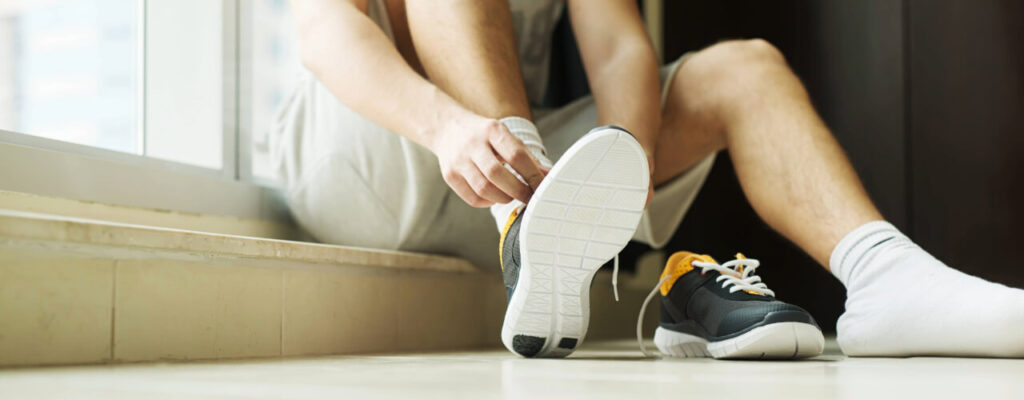
Have you ever woken up to a stabbing in your heel? Do you find it difficult to stand for long periods due to pain in the bottom of your foot? There’s a good chance you’ve developed plantar fasciitis. However, the team at can help you manage plantar fasciitis pain by addressing its underlying factors and creating a personalized care program.
Plantar Fasciitis: An In-Depth Overview
Plantar fasciitis occurs when the plantar fascia—a thick band of tissue running along the bottom of your foot—degenerates or becomes otherwise damaged.
Read full blog

