
Shred Safely:
Your Guide to Injury-Free Skiing and Snowboarding This Winter
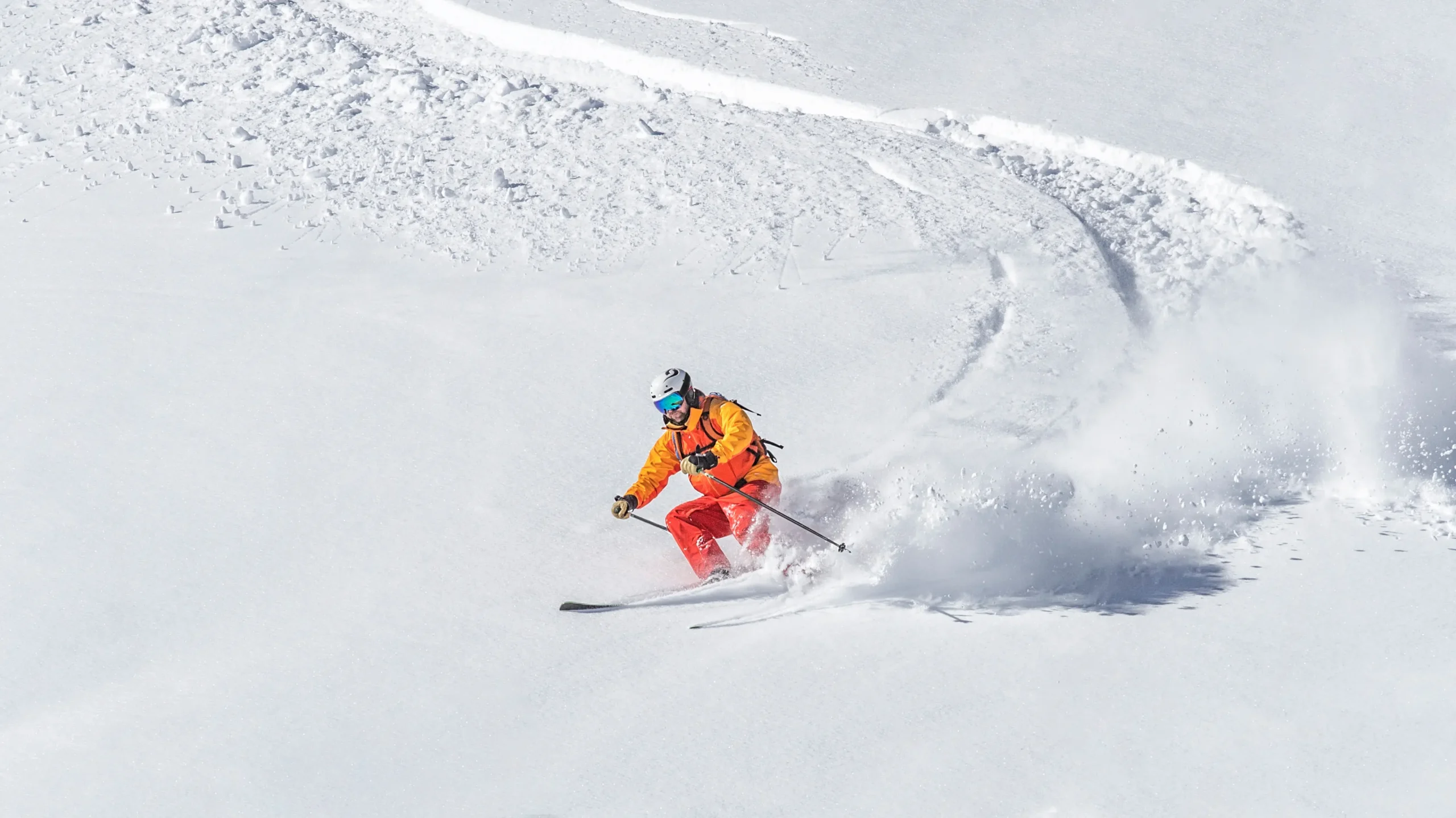
Winter will be in full force before you know it, which means the ski trails will be opening up soon, too. If you’re like us, you’re probably excited to hit the slopes.
However, it’s important not to take things too fast! Stripping on your skis or snowboard before you’re ready can set you up for an increased risk of sprains, strains, and other injuries that can keep you in the lodge for the rest of the season.
Fortunately, most ski and snowboard injuries are preventable with the right preparation, movement strategies, and physical conditioning–and a little help from the team at Rebound Physical Therapy.
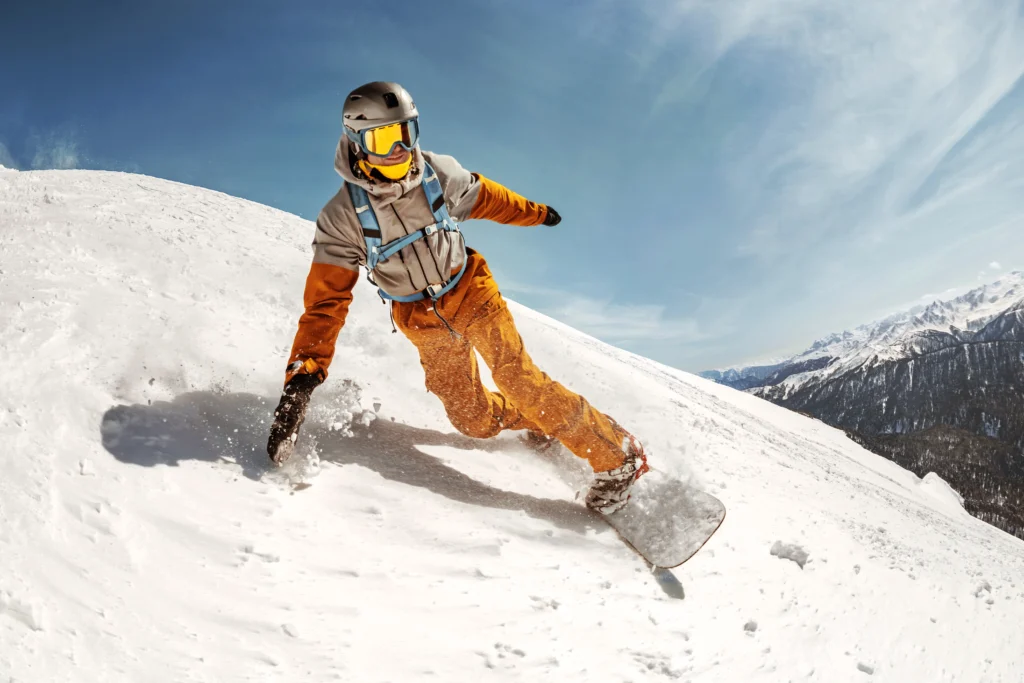
Bogus Basin already got a bit of snow in the middle of October!

How to Prepare for the Winter Sports Season
Step 1: Build a Stable Foundation
Most ski and snowboard injuries occur in the knees, shoulders, and lower back–all areas that absorb the most force during turns, jumps, and quick stops. A strong foundation protects these joints and improves control on uneven terrain. Focus on the following:
- Core Stability: Focusing in upright core exercises that are designed to control motion is important to appropriately prepare hips, abs and back muscles for the actions that look and feel like skiing.
- Hip Strength: Again, focusing on upright strengthening is critical here – lunges, steps, monster walks and plyometrics are ideas to build strength that are more dynamic and better meet the demands that you will encounter on a ski hill.
- Eccentric Leg Training: Exercises like slow squats and step-downs prepare muscles to absorb impact, which is essential for landing jumps or sudden stops.
Step 2: Improve Overall Mobility
A limited range of motion puts excess strain on your joints and makes it difficult to recover after a fall. Incorporating mobility work into your routine ensures you can adapt quickly once you’re on your favorite trail. Here are some key areas to target:
- Ankles: Improving dorsiflexion (bringing your toes toward your shin) improves balance and edge control.
- Hips and Hamstrings: Stretching these muscles allows for smoother transitions and less stress on the lower back.
- Thoracic Spine: Mobility in the upper back improves rotation and helps absorb forces during turns.
Step 3: Train Your Reflexes by Boosting Balance and Coordination
Good balance is your first defense against falls, especially with skiing and snowboarding, which demand constant weight shifts and core engagement. Training your balance system reduces the risk of sudden instability that leads to injuries. Here are some strategies our team might suggest:
- Single-Leg Stance Training: Try standing on one foot while performing arm movements or tossing a ball.
- Dynamic Balance Drills: Use wobble boards, BOSU balls, or uneven surfaces to simulate slope conditions.
- Proprioceptive Training: Our PTs can guide you through specialized exercises to retrain your body’s sense of position and movement, improving reaction time and coordination.
Step 4: Correct Your Technique to Avoid Strain
Out on the slopes, every movement matters. Even small changes in posture or alignment can impact your injury risk.
That’s why we recommend anyone who plans to ski or snowboard meet with the Rebound Physical Therapy team for a detailed movement assessment before you strap in for the season. These assessments help us pinpoint weaknesses or compensations that might cause problems, such as:
-
- Over-rotating your trunk, which can overload the lower back and lead to strain
-
- Weak glutes that cause the knees to collapse inward during turns
-
- Limited ankle mobility that leads to improper weight distribution and instability
Identifying and correcting these issues will help you move more efficiently, reduce fatigue, and improve performance.
Step 5: Adapt Smart Habits on the Slopes
Conditioning before the start of the season is important, but so is adopting a few crucial routines once you’re ready to hit the trails. For example:
-
- Warm up before every run with 5-10 minutes of light cardio and mobility drills. This helps combat the cold conditions and keeps your muscles loose and ready for action.
-
- Stay hydrated. Yes, even in cold weather! Dehydration leads to fatigue and slower reflexes.
-
- Take breaks throughout the day. Fatigue is one of the top causes of ski and snowboard injuries.
Patient Success
“Highly recommend! Steve Yuly demonstrated a high level of professionalism and a deep understanding of my issues. He took time to listen to my history, concerns, and goals. The treatment was nothing short of exceptional. Steve utilized a variety of techniques personalized to my specific needs. His ability to explain each step of the process in a way that was easy to understand, enhanced my trust and confidence in the treatment.” – R.W.
Service Spotlight: Myofascial Release
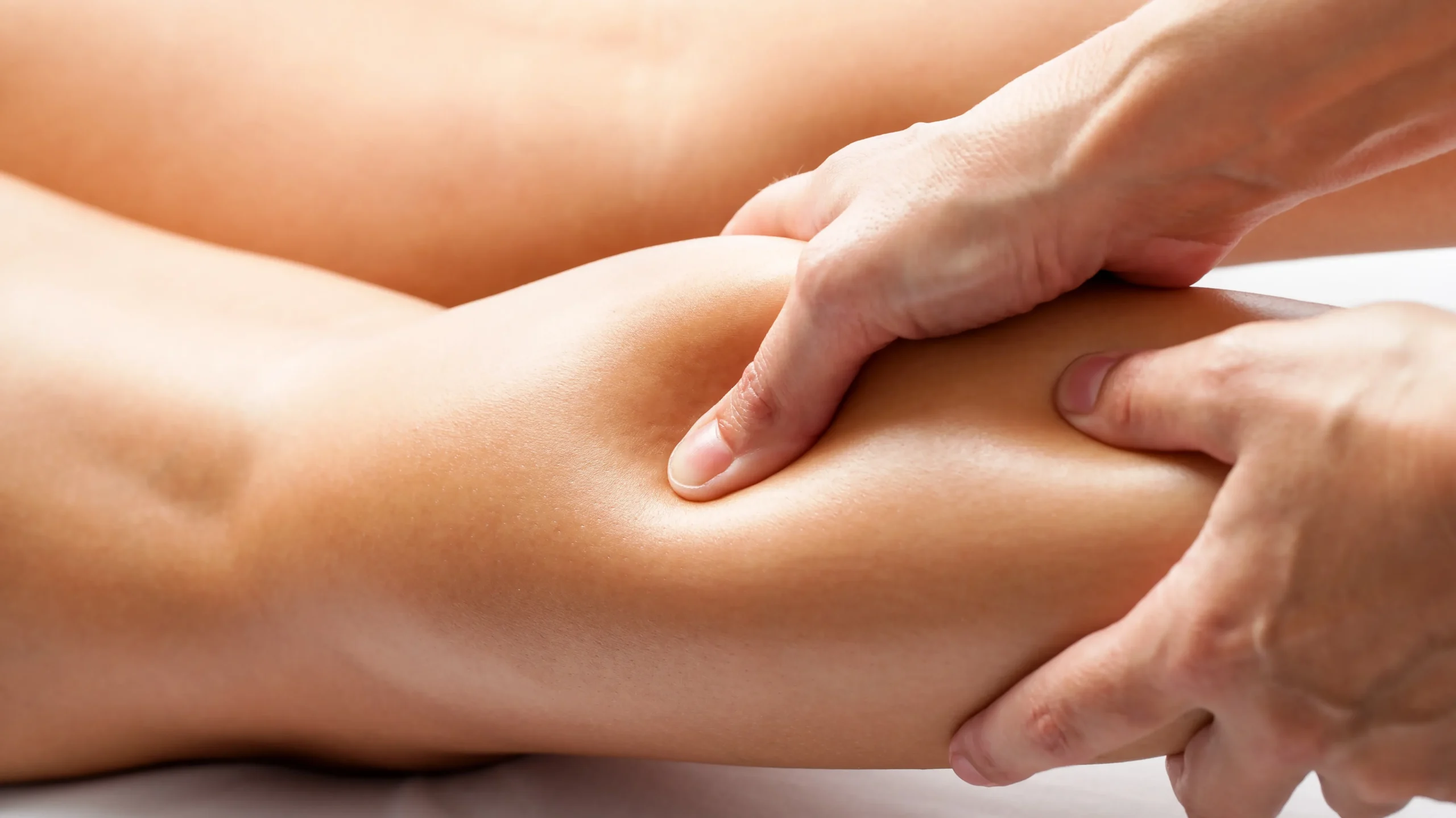
When muscles become constricted or tight, it can significantly impact your mobility. This can cause pain and limitations with movement. Fortunately, myofascial release works to reverse this by loosening up the constricted muscles, thus allowing for easier, pain-free movement. At your initial appointment, our physical therapist will conduct a comprehensive exam to determine if myofascial release will be the best course of treatment for you. At Rebound Physical Therapy, physical therapists are dedicated to providing the best quality treatment for your individual needs. Don’t let stiff, tight, or constricted muscles limit your life any longer!
Ready to Ride Without the Risk?
There’s nothing more exhilarating than slicing down a mountain, but an injury can easily stop you in your tracks. But with proper conditioning, body awareness, and professional guidance, you can enjoy every turn with confidence. The Rebound Physical Therapy team is here to help you prepare for the season. Schedule your initial assessment today, and let’s make this your safest winter yet!
Innovative Approaches to Physical Wellness this Thanksgiving Season
Thanksgiving is more than just a day of feasting; it’s a time to come together and celebrate what we’re thankful for. While traditional advice often emphasizes the basics, let’s elevate your approach to physical well-being this season with these cutting-edge tips:
- Dynamic Warm-Up Before the Turkey Trot: If you’re planning a Thanksgiving morning run or family games, forget old-school stretching. Use a dynamic warm-up to prep your muscles and boost your range of motion.
- Text Neck Prevention: As we catch up on social media or text friends and family Thanksgiving wishes, “text neck” can be a real issue. Counteract this by sitting tall or not at all and doing neck stretches every hour.
- Mindfulness Through Movement: Instead of sitting to meditate or relax, try combining mindfulness with gentle movements like Tai Chi or a light stroll through the neighborhood.
Embrace your health by prioritizing your physical and mental well-being to ensure you have the best Thanksgiving yet!
Recovery Advice for Skiers and Snowboarders
Even with proper conditioning and good technique, injuries can still happen on the slopes. You can’t control the environment completely, and a wrong landing or unexpected fall can lead to strained muscles or injured ligaments.
There is good news, though: With guided rehabilitation from the team at Rebound Physical Therapy, you can resolve your injury and get back to your favorite trails as quickly and safely as possible.
Four Key Tips for Managing a Winter Sports Injury
1. Manage Acute Pain and Swelling
We recommend:
- Icing the area for 15–20 minutes several times a day during the first 24-48 hours to help manage pain
- Limit swelling with compression wraps and elevating the affected limb above the heart level.
- Scheduling an appointment with Rebound Physical Therapy to have the injury evaluated.
2. Get an Early Assessment
If your symptoms continue for longer than a few days, it’s time to make an appointment with our team. Ignoring even minor injuries can potentially lead to long-term problems.
We’ll perform a detailed evaluation to determine what’s causing your discomfort. Then, we’ll develop a personalized program to protect the injured area, prevent compensation patterns that slow recovery, and facilitate your body’s healing processes.
3. Restore Motion and Strength
As your pain decreases, you’ll begin working to rehabilitate your injury. We offer several techniques, including hands-on manual therapy and targeted exercises, that can help you slowly restore mobility and strength.
4. Focus on Long-Term Recovery
After a few weeks of early rehabilitation, we’ll gradually rebuild your endurance with controlled, sport-specific exercises. This step helps you get back on the slopes, but it also addresses weakness and other issues to help prevent additional injuries.
Schedule An Appointment to Learn More
Healing takes time, but our team’s guidance can make all the difference. If you’ve injured yourself during a run, contact Rebound Physical Therapy for your initial evaluation.
Recipe of the Month: Homemade Hot Apple Cider

Ingredients:
- 6 cups apple cider
- ¼ cup real maple syrup
- 2 cinnamon sticks
- 6 whole cloves
- 6 whole allspice berries
- 1 orange peel, cut into strips
- 1 lemon peel, cut into strips
Instructions:
- Gather the ingredients. Pour apple cider and maple syrup into a large stainless steel saucepan.
- Place cinnamon sticks, cloves, allspice berries, orange peel, and lemon peel in the center of a square of washed cheesecloth; fold up the sides of the cheesecloth to enclose the bundle, then tie it up with a length of kitchen string. Drop the spice bundle into the cider mixture.
- Place the saucepan over moderate heat and cook until cider is very hot but not boiling, about 5 to 10 minutes. Remove cider from the heat. Discard the spice bundle.
- Ladle cider into big cups or mugs, adding a fresh cinnamon stick to each serving if desired.
Direct Access
Did You Know That You Don’t Need A Referral For PT? Find Out More About Direct Access!
Think you need a referral from a physician to see a physical therapist? Well, think again! Every state allows for evaluation and treatment from a physical therapist without a doctor’s referral with Direct Access legislation.