

Posture Could Be the Culprit Behind Your Shoulder Pain

No one likes dealing with shoulder pain. The discomfort and immobility can prevent you from doing daily activities like grabbing something off a high shelf or reaching up to brush your hair. So, when your shoulder starts hurting, it’s important to figure out why.
Often, shoulder pain stems from an injury. For example, take rotator cuff tears, in which the muscles and tendons that wrap the shoulder become damaged: these injuries are common and can result from a sudden traumatic injury like a fall or develop gradually.
However, sometimes, shoulder pain might not have such a clear-cut cause. One of our patients learned this for herself–we’ll call her Diana. She was dealing with persistent shoulder pain and couldn’t figure out why. Fortunately, the physical therapists at Rebound Physical Therapy were on the case.
And the culprit? It turned out to be Diana’s posture.
Meet Diana, Receptionist Extraordinaire
Diana had worked as a receptionist and administrative assistant for years. She enjoyed her work, but it did require her to spend long hours sitting in front of a computer as she sifted through spreadsheets and calendar appointments.
Her issues with shoulder pain began gradually. They had always been a little stiff, but the restricted range of motion had worsened in the last few months. She also noticed tightness in her chest and twinges of pain throughout her shoulders and neck.
Diana tried to ignore her symptoms at first, thinking they’d eventually go away on their own. Instead, they became more frequent, worsening enough that Diana struggled to sit at her desk long enough to get any work done. That was when she came to visit us.
Our Physical Therapists Were on the Case
As always, we started Diana with a comprehensive assessment to help us understand the root cause of her discomfort. We took a health history, talked to her about potential injuries, and conducted several movement screens–including a postural screen.
The postural screen was where we made headway. After reviewing Diana’s posture while she was sitting, standing up, and moving around, we noticed the following:
- She held her head forward in relation to her shoulders, a stance called “forward head posture.”
- She tended to round her shoulders, giving her slight kyphosis, or a hunched posture, in her upper back.
- Her shoulder blades were protracted away from her spine.
The signs were clear: Diana had developed upper cross syndrome.
Upper cross syndrome is a condition marked by postural changes that have a waterfall effect throughout the body. Diana’s postural impairments had impacted the muscles in her upper back and shoulder girdle. As a result, the movement in her upper body became impaired, leading to her pain and mobility restrictions.
A Personalized Solution to Lasting Pain Relief
Now that we understood why Diana was experiencing shoulder pain, we could develop a customized treatment to correct her posture and address the muscular impairments and imbalances that had led to her symptoms in the first place. The foundation of Diana’s treatment was a comprehensive therapeutic exercise program. We began by improving her shoulder’s range of motion through simple mobility exercises.
After a few weeks, Diana was ready to begin strengthening the affected muscles. Using equipment like resistance bands and weights, we guided Diana through targeted exercises that addressed muscular weakness and imbalance. Throughout her program, we also helped Diana improve her overall posture. Like many people, she thought postural improvements were about “sitting up straight.” In reality, she needed to keep her spine aligned as she moved through different postures throughout the day.
Because Diana had a desk job, we emphasized the importance of changing her posture regularly by taking quick breaks. Diana began using a timer to remind herself to get up every 30 minutes or so and walk around the office. While it took a little effort on Diana’s part, eventually, her pain receded, and her shoulders were more mobile than they’d been in years. To make sure she didn’t relapse, we provided her with exercises to do at home to keep her upper body strong.
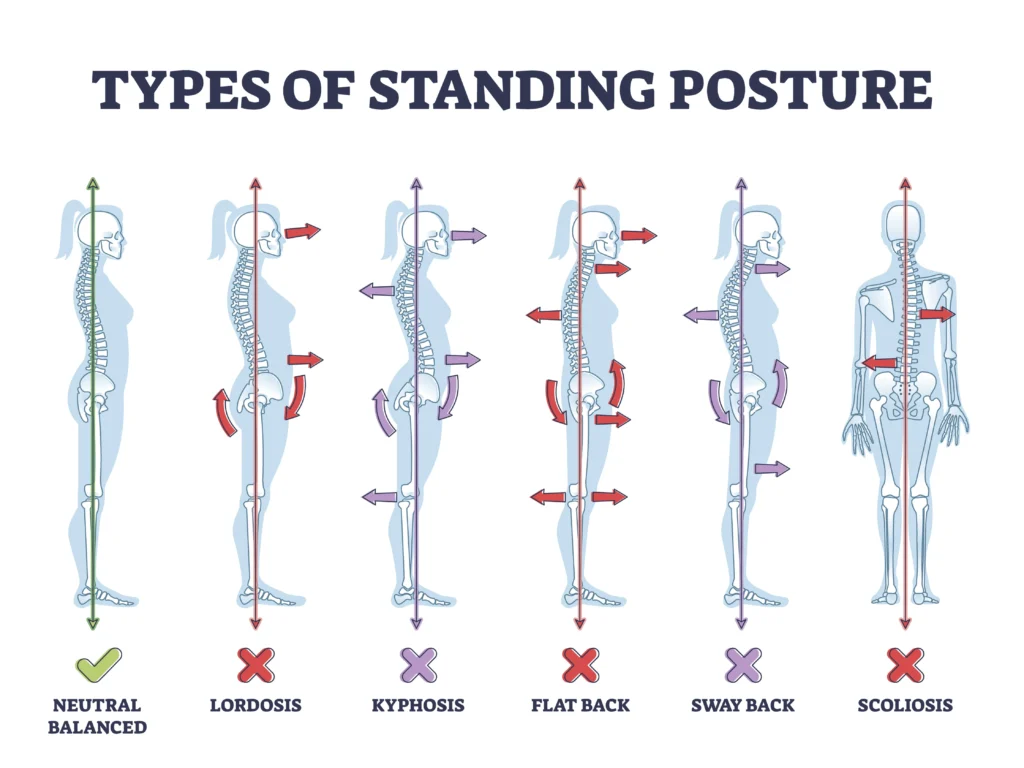
Is Your Posture Causing You Pain?
Diana learned just how important posture is. If you’re struggling with persistent shoulder pain, call the team at Rebound Physical Therapy. We’ll dig down to the source–and give you the guidance you need to correct the issue.
Recipe of the Month: Egg Roll in a Bowl

Ingredients:
- 1 lb ground turkey or chicken
- ¼ cup yellow onion, chopped
- 3 cloves garlic, minced
- 2 teaspoons fresh ginger, grated or minced
- 1 12-14 oz package coleslaw mix
- ¼ cup low-sodium soy sauce, tamari or coconut aminos
- 2 teaspoons toasted sesame oil
- 1-2 teaspoons sriracha or sambal oelek
- 2 green onions, sliced
- sriracha, for serving (optional)
- sesame seeds and chopped cilantro, for garnish
- cooked cauliflower rice, for serving (optional)
Instructions:
- Heat a large skillet over medium-high heat. Add ground meat and cook until no longer pink, about 5-6 minutes. While cooking, break meat into smaller pieces using a wooden spoon or spatula and season liberally with salt and pepper.
- Add onion, garlic, ginger, coleslaw mix, soy sauce, sesame oil and sriracha to the skillet. Cook for another 5 minutes or so, until cabbage is tender. Taste and add more soy sauce or sriracha, if needed.
- Portion mixture into bowls and top with green onions, sesame seeds and cilantro. Serve with additional soy sauce, sriracha or chili crisp, if desired.
Direct Access
Did You Know That You Don’t Need A Referral For PT? Find Out More About Direct Access!
Think you need a referral from a physician to see a physical therapist? Well, think again! Every state allows for evaluation and treatment from a physical therapist without a doctor’s referral with Direct Access legislation.
How to Improve Your Posture at Work
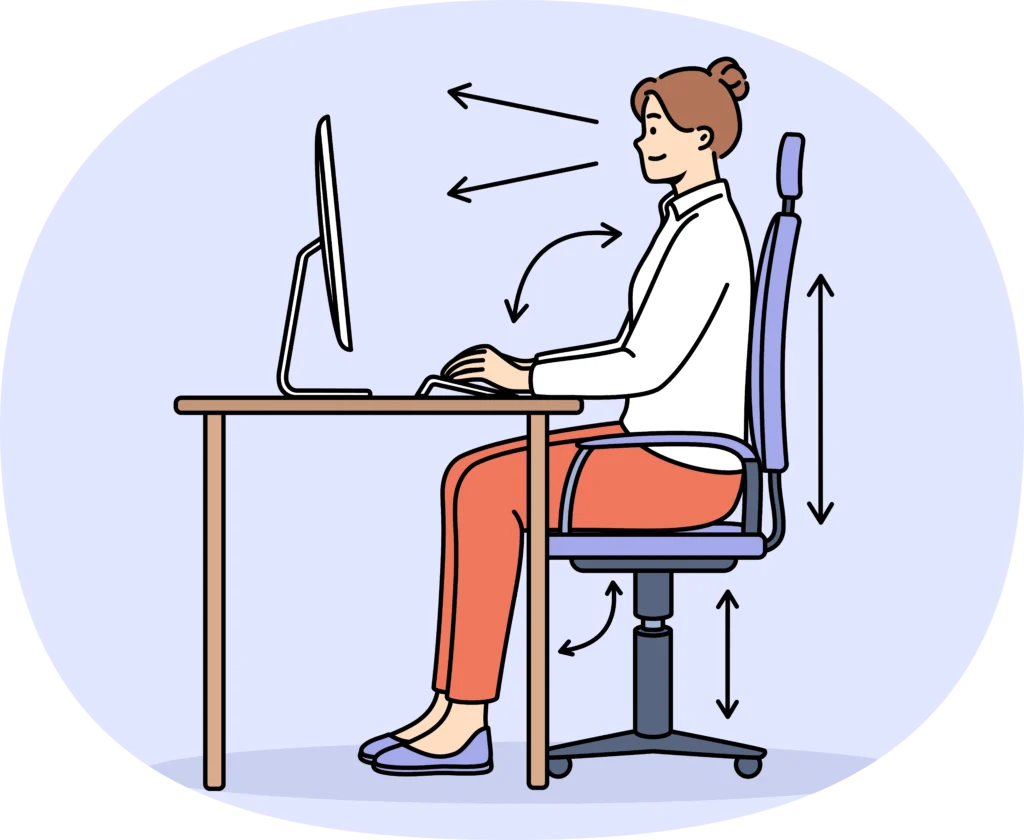
One study found that the average person spends a third of their life at work–so if you’re looking to improve your health and wellness, you need to take your job into consideration!
Unfortunately, many jobs can make this challenging. They force you into prolonged postures or require you to perform repetitive movements–both of which can strain your musculoskeletal system.
At Rebound Physical Therapy, our physical therapists can work with you to find solutions to any work-related concerns. Here are a few of the things we might suggest:
- Find your ideal posture. An ideal posture is one in which your spine rests in its natural alignment, whether sitting, standing, or moving around. This is something we can help you discover!
- Take frequent breaks. As the saying goes, “Your best posture is your next posture.” Find ways to move your body throughout the day. If you work an office job, this can be as simple as getting up every 30-40 minutes for five minutes. But even if you have a job that requires you to stand for long periods (such as retail or factory work), you still need to take breaks. Shift your weight, put a leg on a bench, or do some quick stretches–we can help you find quick, simple ways to move.
- Pay attention to ergonomics: The field of ergonomics focuses on improving your working environment for comfort and efficiency. Make sure your workstation (whether a chair and desk or a workbench) is the right height for your body. Use adaptive equipment as necessary. Our team can provide all the guidance you need!
Kayaking and Paddleboarding with a Healthy Twist
For a safe and body-friendly kayaking or paddle boarding experience, keep these practical strategies in mind:
- Mindful Paddling: Prioritize good posture and technique. Engage your core, maintain a straight back, and use your legs to generate power. This distributes the effort evenly, reducing strain on your shoulders and back. Using proper form enhances your performance and safeguards against overuse injuries.
- Full-Body Effort: Think of kayaking and paddleboarding as whole-body workouts. Involve your legs, core, and back in every stroke, not just your arms. This balanced approach lessens the risk of muscle imbalances and discomfort.
By incorporating these principles into your water adventures, you’ll have a blast on the water and take care of your body. Kayaking and paddleboarding can be both enjoyable and body-friendly when you paddle smart.
Sources
- https://trialsjournal.biomedcentral.com/articles/10.1186/s13063-020-4159-9,
- https://www.jospt.org/doi/10.2519/jospt.2020.0501,
- https://www.eatingbirdfood.com/egg-roll-in-a-bowl/#tasty-recipes-48718
- https://www.jospt.org/doi/full/10.2519/jospt.2020.8498
- https://www.physio-pedia.com/Ergonomics,
- https://www.bls.gov/news.release/atus.nr0.htm