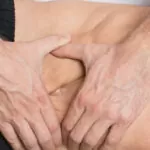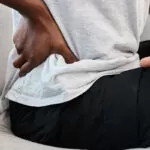

Common Sources of Hip Pain (And What We Can Do About Them)

Have you noticed a persistent discomfort in your hip? Is impaired hip mobility making it difficult for you to handle day-to-day tasks? Hip pain isn’t something you have to live with. But to resolve your pain, you’ll need to identify why you’re experiencing pain in the first place.
At Rebound Physical Therapy, our team of musculoskeletal experts can help you determine the root cause of your hip pain. Whether it’s an underlying injury or a chronic condition like arthritis, we’ll get you the answers you need — and the relief you deserve!
Today, we want to explore some common causes of hip pain and give you some insight into how physical therapy can help. But if you’re currently dealing with hip pain, your best bet is to call us to schedule an initial consultation. Our team can give you personalized guidance to return to an active, healthy lifestyle!
Why Do My Hips Hurt? Common Hip Injuries and Conditions
Osteoarthritis (OA): If you’re an older adult, your hip pain might stem from osteoarthritis, which occurs when the cartilage in a joint starts to degenerate. The hips are one of the more common locations for OA. Symptoms include…
- Pain in the hip and/or groin
- Stiffness in the hip joint, especially after you haven’t moved it for a while
- A sense of weakness in your legs
Hip Impingement: Your hip is a ball-and-socket joint. When the ball part of the joint pinches up against the socket part, you can develop hip impingement. It’s most common in young, active people. Watch out for…
- Pain in the hip joint and discomfort elsewhere in the general area (groin, thighs, lower back)
- Sharp stabbing pain when using your hip (i.e., squatting, running, etc)
- Symptoms that gradually develop over time
Hip Labral Tear: Your labrum is a ring of cartilage that protects your hip socket. A labral tear occurs when that cartilage tears, often due to overuse or a hip impingement. Symptoms include…
- A persistent, dull ache that feels like it comes from deep inside your hip
- Sharp, stabbing pains when using your hip
- Clicking or popping sounds when using your hip
- A feeling of instability in the hip
Hip Strain: A hip strain occurs when the muscles or tendons that support your hip joint become damaged. Your exact symptoms will vary somewhat based on the severity of the strain, but in general, you can expect…
- Pain, especially when using the affected muscle
- Swelling
- Limited range of motion
- Muscle weakness
Hip sprains can also occur, but they tend to be rare. A sprain affects the ligaments in your hip (the tissue that connects the joint). Symptoms are similar to a strain, but you might also experience a sense of the joint buckling under your weight.

What We Can Do to Address Your Hip Pain
Of course, identifying the cause of your hip pain is only the first step in addressing it. Once we know why you’re experiencing pain, we can develop a personalized treatment plan for your needs.
If you’ve suffered a hip injury, we’ll guide you through rehabilitation. Sometimes, physical therapy alone is enough to resolve the injury; other times, you may need medical intervention. Either way, here’s what you can expect:
- Drug-free pain management techniques (such as manual therapy)
- Early mobility work to help improve your range of motion
- Exercises to restore strength and stability
- Targeted balance and gait training
- Activity-specific training (especially if you’re an athlete)
If you’ve developed osteoarthritis, we can help you manage your symptoms and delay the progression of your condition. OA doesn’t have a cure, but physical therapy is considered a frontline treatment to help you avoid a total hip replacement. Your treatment plan may include…
- Manual therapy to help reduce pain and improve mobility
- A personalized exercise program to help you stay active (regular exercise is one of the best ways to manage osteoarthritis)
- Balance and gait training to help reduce your fall risk
- Activity modifications and other strategies to help you manage discomfort throughout the day
We Can Help You
No matter the reason for your hip pain, the Rebound therapists will find a solution that works for you. Call us today to schedule an appointment to get started on your journey to hip pain relief!

Recipe of the Month: Roasted Carrot Salad
Ingredients:
- 2 pounds carrots peeled and sliced diagonally
- 1/2 cup sliced almonds
- 2 cloves garlic minced
- 1/4 cup extra-virgin olive oil
- 1/2 teaspoon salt
- 1/4 teaspoon black pepper
- 2 tablespoons cider vinegar
- 2 teaspoons honey
- 1 package (4 ounces) Danish blue cheese, crumbled
- 1/2 cup dried cranberries
- 3 cups arugula
Directions:
- Begin by preheating your oven to 400 degrees F. Mix together the carrots, almonds, and garlic on a baking sheet. Drizzle with olive oil and sprinkle with salt and pepper. Toss to coat and spread out in an even layer.
- Roast the carrots for about 30 minutes until they are soft and the edges start to turn brown. Stir them twice while roasting. Remove from the oven and cool to room temperature.
- Transfer the carrots to a large bowl. Drizzle with vinegar and honey. Toss to coat. Add the blue cheese, cranberries, and arugula. Mix gently to combine.

Our Patients Get Great Results
“I just moved to town and got referred to Rebound PT from a bodybuilding gym. I needed a therapist who specialized in athletes. Steve Yuly is one of the best physical therapists I have encountered. He’s very kind, listens closely to any of your concerns, and will stay with you during the entire visit (not pass you off to a PT assistant). I am 9 months post hip replacement and 10 years post ACL replacement. This is my 6th PT office in 10 years and I am so grateful to find Steve- he was able to identify areas in my pelvis, iliosoas and calf that were so tight from misalignment. I noticed an improvement immediately the next day and was able to get back to weight lifting within the month. He is also excellent with neck/jaw tightness. He took the time to explain why I was misaligned. The building also shares space with an athletic training center called Off the Field. Plenty of spaces to park too. As a registered nurse and case manager for workers comp, I strongly recommend Steve for any physical rehabilitation needs.” — C.S.
Direct Access
Did You Know That You Don’t Need A Referral For PT? Find Out More About Direct Access!
Think you need a referral from a physician to see a physical therapist? Well, think again! Every state allows for evaluation and treatment from a physical therapist without a doctor’s referral with Direct Access legislation.
Don’t Ignore Your Joint Pain!
You notice a faint twinge in your hip whenever you squat down. It’s not severe, and it goes away once you stand back up. No big deal, right?
But then you start to notice the pain more frequently, like when you go for a run or work in your garden. It’s also started to get worse. Suddenly, you’re not so sure you can just ignore it.
This scenario probably sounds familiar. Most of us have ignored pain at some point in our lives. And sometimes, the pain does go away on its own. But there are circumstances when you shouldn’t ignore joint pain. In those situations, schedule an appointment at Rebound Physical Therapy.
When Joint Pain Requires Action
Here’s a handy checklist to let you know when you should visit our physical therapists to get your pain checked out:
- Your pain results from an obvious injury
- Your pain is severe enough to affect your day-to-day life
- Your pain is accompanied by mobility restrictions in the joint
- Your pain is constant (24/7) and doesn’t subside after a few days
- You’ve been dealing with persistent pain for months
- You notice swelling in the joint
- Your pain is progressively worsening
Remember, joint pain is your body’s way of telling you something’s wrong — it’s not something you have to live with, even if you’re older. A consultation at Rebound Physical Therapy can get to the bottom of things and help you find relief.

Getting Ready for Yard Work and Gardening: Take These Steps
Spring has sprung, and many are eager to get their hands dirty in the garden or yard. However, these activities can put an unexpected strain on your body if you’re not prepared. Try these tips to keep you gardening longer while minimizing your risk for injury.
- Movement Prep: Gone are the days of old-school static stretching. Instead, use a dynamic warm-up to prep your muscles and joints for gardening.
- Spinal Health: Incorporate ‘active breaks’ every 20 minutes to reset your spine. Or alternate between working up high (like trimming bushes) and down low (like planting flowers). This gives specific muscle groups a break and reduces the risk of overuse injuries.
- Neuromuscular Control: Practice exercises that engage both your brain and muscles, like balance exercises to avoid trips and falls over uneven terrain or gardening tools, making it easier to navigate through your garden.
Utilizing these cutting-edge approaches can ensure a physically fulfilling and injury-free gardening season, allowing you to fully enjoy the fruits (and flowers) of your labor.
Happy Gardening!
Sources
- https://www.arthritis.org/health-wellness/about-arthritis/understanding-arthritis/when-joint-pain-means-its-time
- https://www.choosept.com/guide/physical-therapy-guide-to-osteoarthritis-of-hip,
- https://www.choosept.com/guide/physical-therapy-guide-hip-impingement-femoroacetabular,
- https://www.physio-pedia.com/Hip_Labral_Disorders,
- https://orthoinfo.aaos.org/en/diseases–conditions/hip-strains/
- https://inspiredbycharm.com/roasted-carrot-salad/