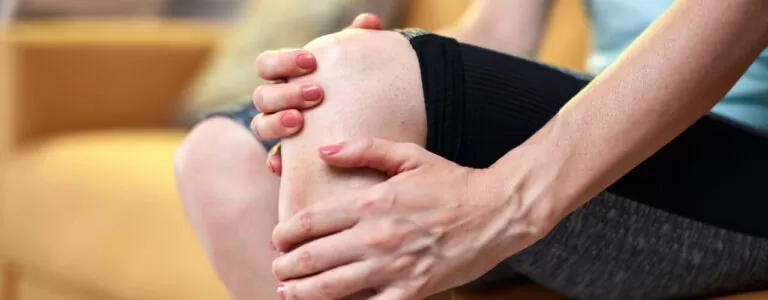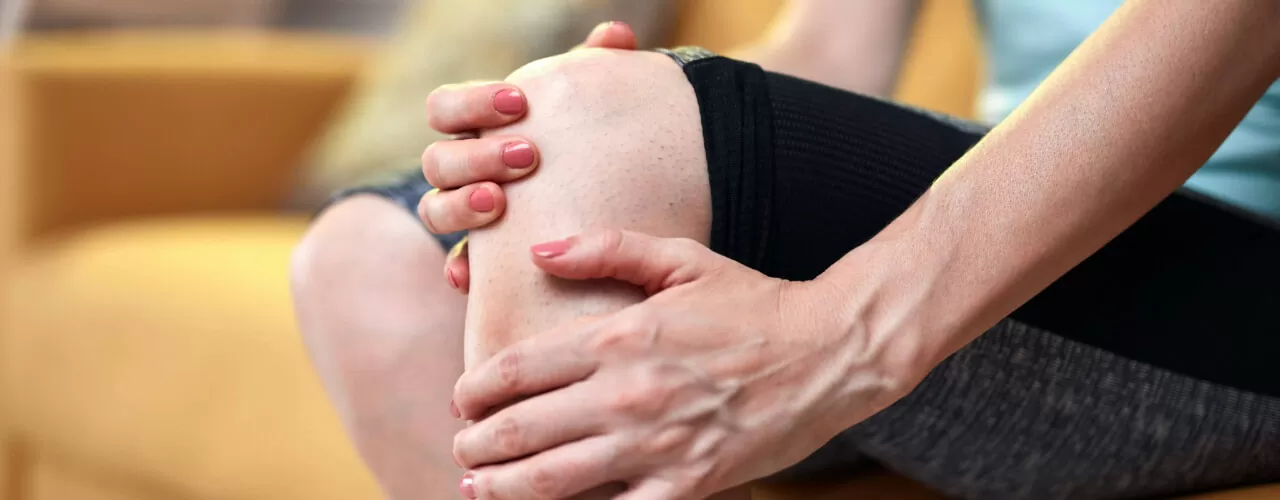
Knee pain can turn everyday activities—like walking, climbing stairs, or even standing for long periods—into a challenge. What starts as mild discomfort can gradually worsen, limiting mobility and affecting overall quality of life. Many people assume knee pain is an unavoidable part of aging, but that’s not entirely true. Chronic knee pain causes vary, and identifying the root issue is the first step toward effective relief. There are ways our Rebound Physical Therapy physical therapists manage symptoms and restore function, whether due to wear and tear, inflammation, or past injuries.
Below, we’ll explore the most common causes of chronic knee pain, break down key misconceptions, and outline actionable solutions that can help you move with confidence again.
Understanding Chronic Knee Pain: Symptoms and Misconceptions
Knee pain is more than just discomfort—it can impact balance, joint stability, and overall movement. Some common symptoms include:
- Stiffness or swelling, particularly after periods of inactivity.
- Pain that worsens with movement, such as walking or bending.
- Instability or weakness, making the knee feel like it may give out.
Despite how common knee pain is, many people still believe misconceptions that prevent them from seeking the right care.
Common Myths About Chronic Knee Pain Causes
“It’s just part of getting older.”
Aging can contribute to joint wear, but persistent pain is not something you have to accept.
“Resting will fix the problem.”
While short-term rest can reduce inflammation, complete inactivity weakens muscles and worsens knee stability.
“Surgery is the only solution.”
Many cases of knee pain improve with targeted physical therapy and lifestyle adjustments.
Now, let’s break down the chronic knee pain causes that may be behind your symptoms.
The Most Common Causes of Chronic Knee Pain
1. Osteoarthritis: The Wear-and-Tear Factor
One of the most common chronic knee pain causes in adults is osteoarthritis. This occurs when cartilage wears down over time, causing stiffness, inflammation, and pain. It often worsens gradually, especially in people with a history of joint stress or repetitive impact activities.
2. Tendinitis: Inflammation from Overuse
Patellar tendinitis (also called jumper’s knee) occurs when the tendon connecting the kneecap to the shinbone becomes irritated due to repetitive stress. Athletes and individuals who perform frequent bending motions are more likely to develop this condition.
3. Bursitis: When the Knee Swells Up
Bursae are fluid-filled sacs that cushion the knee joint. When they become inflamed due to prolonged kneeling, repetitive movements, or direct trauma, bursitis can cause localized swelling, tenderness, and stiffness.
4. Meniscus Tears: Cartilage Damage That Limits Movement
The meniscus is a C-shaped piece of cartilage that absorbs shock between the knee bones. A sudden twist or pivoting motion can tear the meniscus, leading to locking, catching, or sharp pain when moving the knee.
5. Ligament Injuries: The Stability Factor
The ACL, MCL, and PCL are key ligaments that provide stability to the knee. Injuries to these ligaments—whether from sports, falls, or accidents—can cause chronic knee instability and pain, even after the initial injury has healed.
Understanding chronic knee pain is the first step. Now, let’s explore how to take action toward relief.
Actionable Solutions for Lasting Relief
Physical Therapy: The Most Effective Non-Surgical Approach
A structured physical therapy program strengthens muscles around the knee, improves flexibility, and reduces pain by correcting movement patterns. Therapists create individualized treatment plans that help restore function without surgery.
Weight Management: Reducing Joint Stress
Carrying excess weight adds significant strain to the knee joints. Losing even 5–10% of body weight can decrease pain and improve mobility in individuals with knee osteoarthritis.
Pain Management Techniques: Beyond Medication
Instead of relying solely on painkillers, try:
- Heat therapy to relax stiff muscles.
- Cold therapy to reduce pain.
- Low-impact movements to maintain joint mobility without stress.
Activity Modifications: Moving Smarter, Not Harder
- Swap high-impact exercises (running, jumping) for joint-friendly alternatives (walking, Yoga).
- Use assistive devices for added support.
- Pace daily activities to avoid overloading the knee joint.
These strategies work best when combined with a professional treatment plan, like the ones offered at Rebound Physical Therapy.
How Rebound Physical Therapy Can Help You Find Relief
At Rebound Physical Therapy, we take a personalized approach to treating chronic knee pain. Our process includes:
Comprehensive Assessments
- Identifying the exact cause of your pain.
Customized Physical Therapy Plans
- Targeting strength, mobility, and movement patterns for lasting relief.
Education & Ongoing Support
- Helping you make long-term adjustments for better knee health.
Whether your goal is to reduce pain, improve mobility, or return to an active lifestyle, our expert team is here to help.
Take the First Step Toward Pain-Free Movement
Chronic knee pain doesn’t have to define your life. By understanding the chronic knee pain causes behind your symptoms and taking action, you can restore mobility and reduce discomfort.
If knee pain is interfering with your daily routine, don’t wait for it to worsen. Contact Rebound Physical Therapy today to schedule a professional assessment and start your journey toward lasting relief.